This research addresses a crucial question for American retirees: how to optimally use defined contribution plan assets to purchase annuities while accounting for the substantial risk of long-term care expenses. Using a life cycle economic model, the study evaluates the optimal amount and timing of annuity purchases across different demographic groups.
Summary
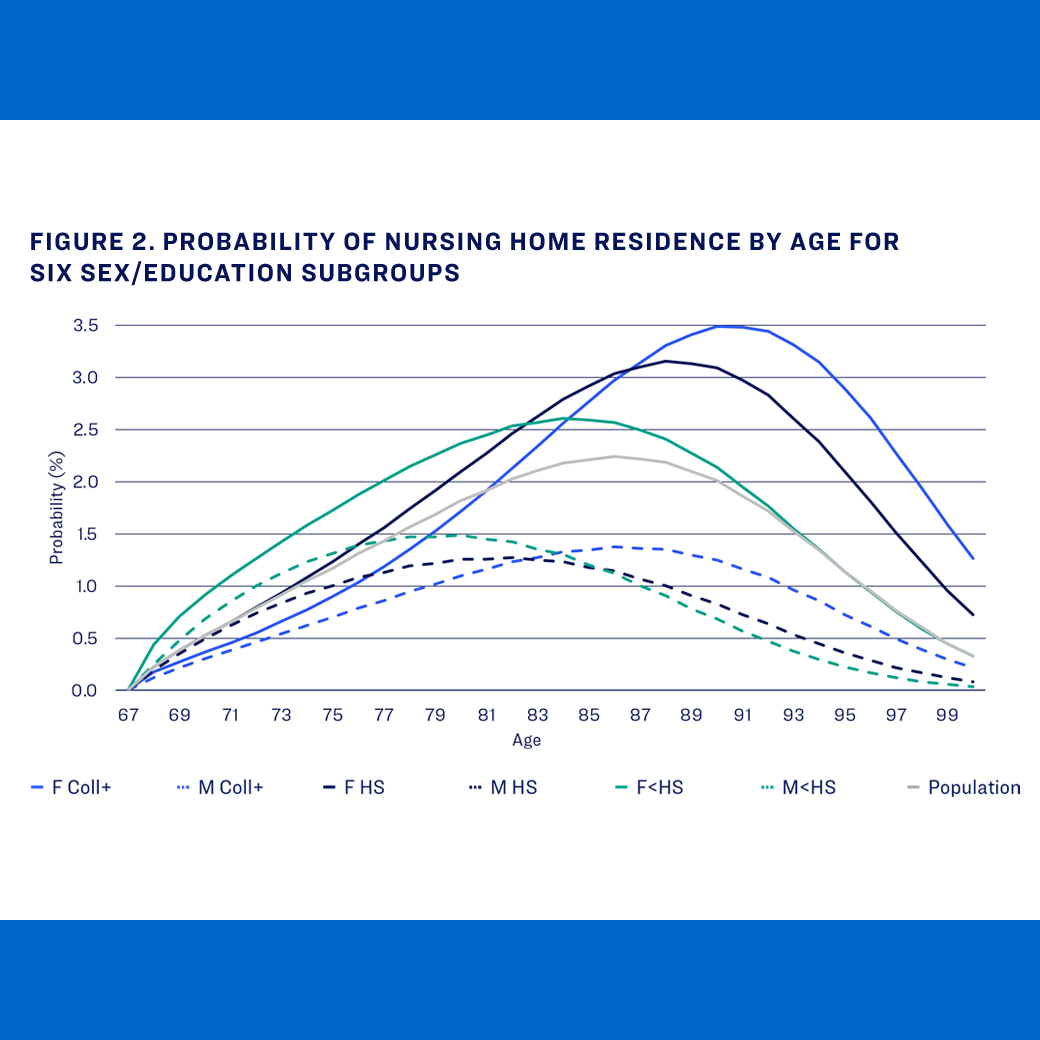
This study examines how older Americans can best prepare to finance their later years using currently available financial instruments, particularly focusing on annuitization of 401(k) assets in the context of long-term care costs. Seventy percent of Americans age 65 and older will require some form of long-term care, averaging 3.2 years of coverage, creating significant financial challenges. The research uses sophisticated life cycle modeling to determine optimal annuitization strategies across six demographic subgroups defined by sex and education level. Key findings reveal that better-educated retirees benefit most from annuitizing portions of their retirement accounts, with optimal deferral ages around 80, while less-educated retirees prefer keeping assets liquid due to earlier health risks and lower wealth levels. The study also demonstrates that variable payout annuities offer greater welfare improvements than fixed annuities for most retirees, particularly women.
Key Insights
- Those with college education benefit from converting 25-30% of their 401(k) assets into annuities, taking advantage of longevity protection and survival credits, while less-educated retirees with lower wealth and earlier health risks prefer maintaining liquidity.
- Variable payout annuities linked to stock and bond returns provide welfare gains.
- The presence of uncertain long-term care costs substantially affects annuitization decisions, particularly for less-educated retirees who face higher nursing home risks early in retirement and prefer keeping assets accessible.