Summary
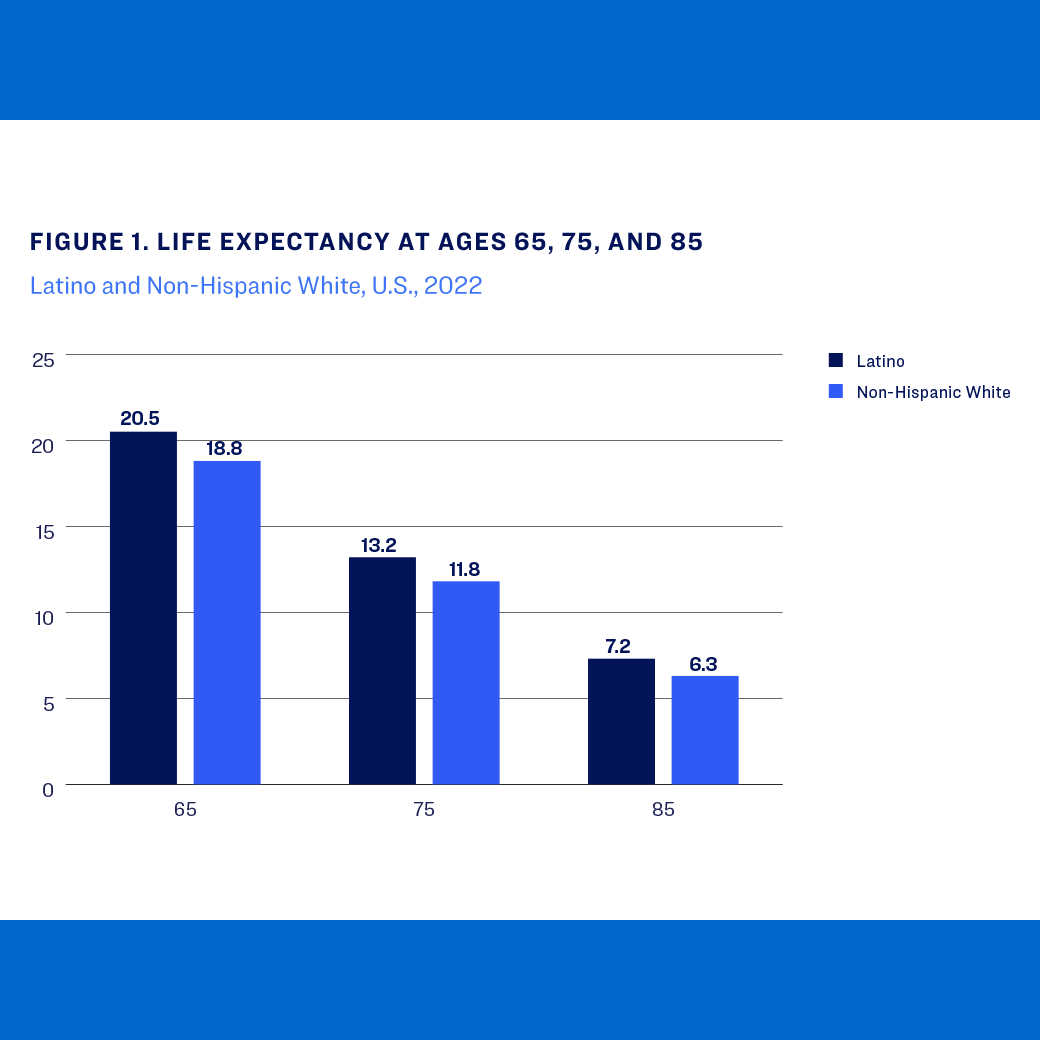
Contrary to common media narratives portraying Latinos as a population with significant health challenges, data reveals a striking paradox: Latinos consistently have far lower death rates and longer life expectancies than non-Hispanic whites across all age groups, including seniors. At age 65, Latinos can expect to live an additional 20.5 years compared to 18.8 years for non-Hispanic whites. This pattern persists despite Latinos having, on average, lower income and education levels and reduced access to healthcare services. For the leading causes of death among those 65 and older—including heart disease, cancer, stroke, and chronic respiratory conditions—Latinos show significantly lower mortality rates. The exception was COVID-19 in 2021, which highlighted access disparities rather than lifestyle factors. This Latino epidemiological paradox suggests that Latino populations may offer valuable insights for reducing chronic illness for all Americans. But headline-driven perceptions may cause healthcare organizations to overlook opportunities for learning from this population's health outcomes and, moreover, to hesitate to engage with Latinos over concern that the demand for expensive health care interventions will increase.